
Living in a home with a small yard doesn’t mean you have to sacrifice your dreams of a beautiful outdoor space. In fact, compact landscapes often offer unique opportunities to create stunning, functional gardens that pack more visual punch per square foot than their larger counterparts. With thoughtful planning, creative design strategies, and the right materials, your tiny yard can become a captivating outdoor retreat that feels both spacious and intimate.
The key to maximizing small outdoor spaces lies in understanding how to use every inch strategically while creating the illusion of depth and space. Whether you’re working with a narrow side yard, a small backyard, or even just a tiny patio area, the principles of small-space landscaping can transform your compact outdoor area into a garden that delivers maximum impact.
Understanding the Potential of Small Spaces
Small yards present unique advantages that larger spaces simply cannot offer. The intimate scale allows for attention to detail that might be lost in expansive landscapes. Every plant choice, every hardscape element, and every design decision carries more weight and creates more immediate impact. This concentrated approach to design often results in more cohesive, thoughtfully curated outdoor spaces.
Budget considerations also work in your favor with small spaces. Since you’re working with less square footage, you can invest in higher-quality materials, premium plants, and sophisticated design elements that might be cost-prohibitive in larger areas. This allows you to create a truly luxurious feel even within a compact footprint.
Vertical Gardening: Thinking Beyond Ground Level

One of the most effective strategies for maximizing small yards is to think vertically. Wall-mounted planters, trellises, and climbing plants can dramatically increase your planting area without consuming precious ground space. Vertical elements also draw the eye upward, creating the illusion of height and spaciousness.
Consider installing a living wall or vertical garden system along fence lines or building walls. These systems can accommodate everything from herbs and vegetables to flowering plants and succulents. Climbing vines like jasmine, clematis, or even edible options like grape vines can transform bare walls into lush, green backdrops.
Tiered planters and multi-level garden beds create visual interest while maximizing planting space. By varying the heights of your planted areas, you create depth and dimension that makes the space feel larger and more dynamic. Even simple solutions like hanging baskets or wall-mounted herb gardens can add layers of greenery without sacrificing floor space.
Strategic Plant Selection for Maximum Impact
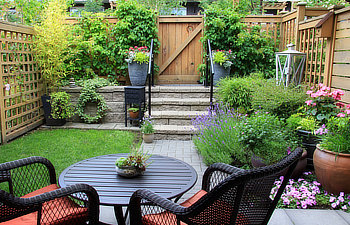
In small spaces, every plant must earn its place. Focus on selecting plants that offer multiple seasons of interest or serve multiple functions. Plants with interesting foliage, attractive bark, or sculptural forms provide year-round appeal, while those that offer flowers, fruit, or fragrance add seasonal bonuses.
Consider the mature size of plants carefully to avoid overcrowding. Dwarf varieties of popular shrubs and trees can provide the same visual impact as their full-sized counterparts while maintaining appropriate scale. Ornamental grasses, compact perennials, and carefully chosen small trees can create structure and interest without overwhelming the space.
Multi-functional plants are particularly valuable in small gardens. Herbs like rosemary, lavender, and thyme provide culinary value while offering beautiful foliage and flowers. Fruit trees in dwarf varieties can provide shade, seasonal interest, and edible harvests. Even vegetables can be incorporated decoratively, with colorful peppers, ornamental kale, and attractive lettuces adding both beauty and function.
Creating Zones and Defining Spaces
Even the smallest yards benefit from being divided into distinct zones or areas. This division creates the illusion of multiple spaces within your compact area, making it feel larger and more functional. Use different paving materials, plant groupings, or even subtle level changes to define separate areas for dining, relaxation, gardening, or play.
Pathways are crucial in small spaces, as they guide movement and create the sense of journey through your garden. Winding paths, even if they’re just a few feet long, create more visual interest than straight lines and make the space feel more expansive. Materials like flagstone, gravel, or decorative pavers can define these pathways while adding texture and visual appeal.
Consider creating a focal point in each zone to anchor the space and provide visual interest. This might be a small water feature, a piece of garden art, an attractive container planting, or even a single specimen plant. These focal points prevent the eye from taking in the entire space at once, instead encouraging exploration and discovery.
Hardscaping Solutions for Small Yards
Hardscaping elements can provide structure, function, and visual interest in small spaces while requiring minimal maintenance. Well-designed hardscaping can also help define zones, create vertical interest, and provide practical elements like seating and storage.
Retaining walls can serve multiple purposes in small spaces. Beyond their practical function of managing grade changes, they can provide built-in seating, create raised planting beds, and add architectural interest. Choose materials that complement your home’s style and consider incorporating planters or niches for additional growing space.
Patios and decks maximize usable outdoor living space while providing a solid foundation for furniture and entertaining. In very small yards, consider a patio that covers most of the ground area, with planted borders and containers providing the greenery. This approach creates a room-like feeling that extends your indoor living space outdoors.
Water features can add tremendous impact to small spaces. The sound of moving water helps mask urban noise while creating a sense of tranquility. Options range from simple fountain bowls to small ponds or even wall-mounted water features that don’t consume floor space.
Lighting Design for Small Spaces
Proper lighting can dramatically extend the usability of your small outdoor space while creating ambiance and highlighting your landscaping investments. In compact areas, lighting becomes even more important as it can create the illusion of depth and make the space feel larger during evening hours.
Layer different types of lighting for maximum impact. Ambient lighting provides overall illumination, while task lighting focuses on specific areas like seating or cooking areas. Accent lighting highlights particular plants, architectural features, or artwork, creating visual interest and focal points.
Solar-powered lighting options have become increasingly sophisticated and provide an eco-friendly solution that doesn’t require electrical work. String lights, lanterns, and small spotlights can all be powered by solar energy, making them perfect for renters or those looking for easy installation.
Consider uplighting to emphasize vertical elements like trees or architectural features. This technique draws the eye upward and creates the impression of height and spaciousness. Small LED spotlights can be positioned to highlight interesting plant forms, textural walls, or water features.
Container Gardening: Flexibility and Style
Container gardening offers unparalleled flexibility in small spaces. Containers can be moved to take advantage of changing light conditions, rearranged for different looks, or easily updated with seasonal plantings. This flexibility is particularly valuable in small spaces where every element needs to work hard.
Choose containers that complement your overall design style and consider them as decorative elements in their own right. Large containers make more impact than collections of small pots and can accommodate more substantial plantings. Group containers of varying heights and sizes to create visual interest and rhythm.
Consider the practical aspects of container gardening, including drainage, weight, and maintenance requirements. Self-watering containers can reduce maintenance in small spaces where every plant is highly visible and needs to look its best. Lightweight materials like fiberglass or composite containers are easier to move and rearrange.
Maximizing Functionality in Every Square Foot
In small spaces, every element should serve multiple purposes whenever possible. Seating with built-in storage, planter boxes that double as privacy screens, and multi-level decks that create distinct zones all help maximize functionality without cluttering the space.
Consider fold-down tables, stackable chairs, and other space-saving furniture that can be stored when not in use. Built-in elements like benches, planters, and storage can provide necessary functions without taking up valuable floor space.
Vertical storage solutions can keep tools, cushions, and other garden necessities organized and out of sight. Wall-mounted cabinets, under-bench storage, and even attractive sheds can provide necessary storage without overwhelming the space.
Creating Privacy and Enclosure
Privacy is often a premium in small urban yards, but creating enclosure doesn’t have to mean building high walls that make the space feel smaller. Strategic screening using plants, trellises, or decorative panels can provide privacy while maintaining an open feel.
Living screens using bamboo, ornamental grasses, or climbing plants on structures can provide privacy while adding beauty and softness to the space. These natural screens can be more attractive and less imposing than solid fencing while still providing the desired privacy.
Consider partial screening that blocks sight lines without completely enclosing the space. This approach maintains the feeling of openness while providing necessary privacy for relaxation and entertaining.
Seasonal Interest and Year-Round Appeal
Small spaces are highly visible from inside the home, making year-round interest crucial. Plan for seasonal changes by including plants that offer different features throughout the year. Spring bulbs, summer perennials, fall foliage, and winter structure all contribute to a space that remains attractive regardless of season.
Evergreen plants provide consistent structure and color during winter months when deciduous plants are dormant. Strategic placement of evergreens can provide year-round privacy and backdrop for seasonal displays.
Consider incorporating elements that change with the seasons, such as containers that can be replanted, seasonal decorations, or outdoor lighting that can be adjusted for different times of year.
Conclusion: Big Dreams in Small Spaces
Maximizing tiny yards requires creativity, planning, and a willingness to think beyond traditional landscaping approaches. By utilizing vertical space, choosing plants strategically, creating defined zones, and incorporating multi-functional elements, even the smallest outdoor areas can become stunning landscapes that provide beauty, function, and joy.
Remember that small spaces often benefit from professional consultation to ensure every square foot is optimized. Whether you’re planning a complete renovation or making incremental improvements, the right materials, plants, and design approach can transform your compact outdoor space into a garden that delivers maximum impact.
At Coastal Landscape and Supply, we understand the unique challenges and opportunities presented by small spaces. Our selection of materials, plants, and design solutions can help you create a tiny yard that makes a big impression, proving that great landscapes aren’t measured in square footage, but in thoughtful design and careful execution.